By Coral Gables Gazette staff
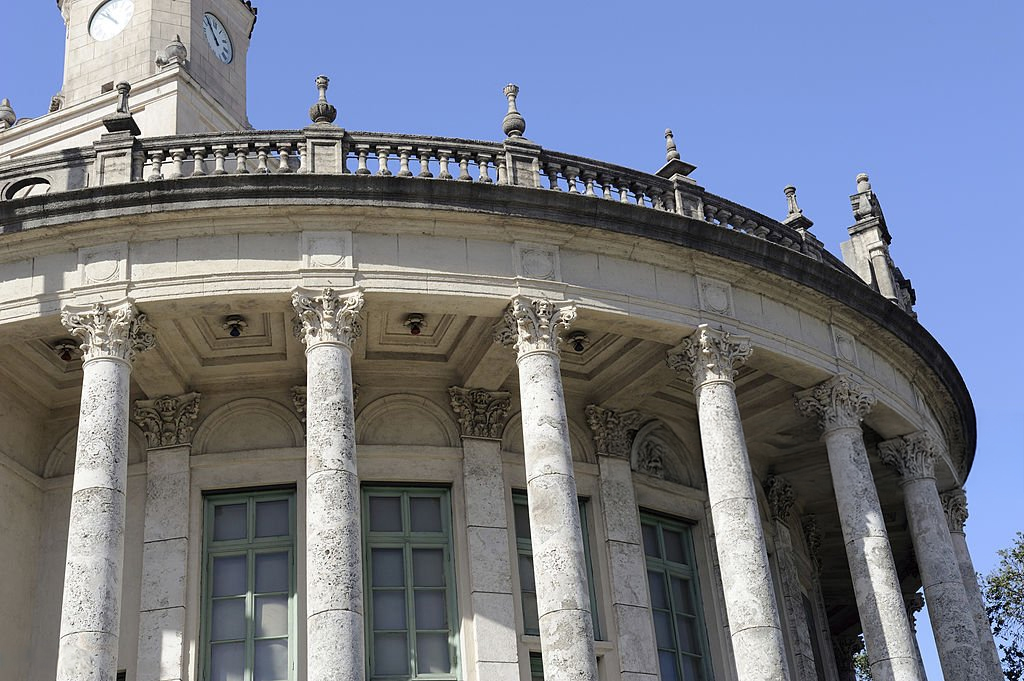
The Coral Gables Code Enforcement Board will meet Wednesday, February 11, at 8:30 a.m. in the City Hall Commission Chambers, 405 Biltmore Way, to consider a wide-ranging enforcement docket that includes serious violations at historic properties, fire-related safety concerns, and multiple cases of unpermitted construction and maintenance noncompliance across the city.
While much of the agenda reflects routine enforcement activity typical of monthly board meetings, several cases stand out for their potential implications for historic preservation, public safety, and the city’s broader approach to regulating work performed without required approvals. Taken together, the items offer a snapshot of how Coral Gables enforces its codes not only to correct individual violations, but to uphold long-standing standards tied to safety, neighborhood character, and civic infrastructure.
Historic properties under heightened scrutiny
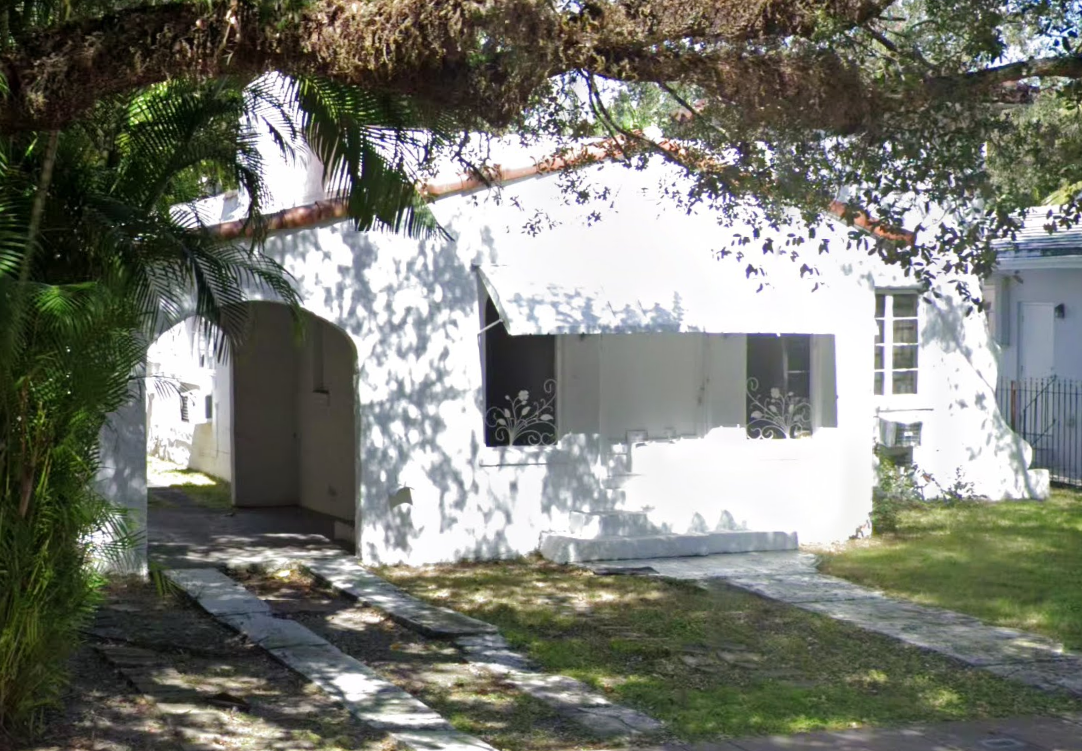
Among the most consequential items is a case involving a designated historic property at 1129 Sevilla Avenue, where inspectors cite extensive work performed without permits. Alleged violations include removal of roof structural elements, interior demolition beyond the scope of approved plans, and inadequate shoring and structural support. The case raises both preservation and safety concerns, placing the city’s enforcement posture toward historic structures squarely before the board.
Another historic property, 121 Florida Avenue, is cited for deteriorated façades, water intrusion, and unsafe conditions. Such cases are often viewed through the lens of demolition by neglect, where prolonged deterioration threatens historic fabric even in the absence of active demolition. Code enforcement actions in these situations serve as a key backstop to the city’s preservation framework, reinforcing that designation carries continuing responsibilities for maintenance and structural integrity.
Together, the historic cases underscore that preservation in Coral Gables extends beyond architectural appearance to encompass safety, stability, and compliance with approved plans.
Fire damage and habitability concerns
The board will also consider a case at 422 Fluvia Avenue, where inspectors report unresolved conditions following a fire, including roof damage and boarded areas. While the property is not designated historic, the case highlights the board’s role in addressing post-incident conditions that can pose risks to occupants and neighboring properties if left uncorrected.
Fire-damaged structures often present lingering hazards even after the immediate emergency has passed, making timely enforcement an important component of neighborhood safety and habitability.
Patterns of unpermitted interior work
Several agenda items involve unpermitted interior renovations at residential properties, including alterations to kitchens and bathrooms, wall extensions, plumbing and electrical work, and mechanical installations completed without approval. Notably, multiple violations involve multi-unit buildings, where repeated noncompliance can compound safety concerns and complicate oversight.
Addresses cited for unpermitted work include 931 and 935 Catalonia Avenue, where inspectors document interior renovations across multiple units, as well as properties along Anastasia Avenue, where mini-split air-conditioning systems, gas lines, and related work were installed without permits.
Such cases reflect a recurring enforcement challenge for the city: ensuring that interior alterations—often less visible than exterior changes—meet code requirements designed to protect occupants and adjacent properties.
Public right-of-way and environmental enforcement
The agenda also includes a case at 4107 Santa Maria Street, where inspectors report damage to multiple trees within the public right-of-way. Coral Gables treats its tree canopy as critical civic infrastructure, and violations affecting public trees typically draw heightened scrutiny and potential penalties.
Tree protection enforcement plays a significant role in maintaining the city’s streetscape and environmental resilience, particularly when damage occurs within areas under public control rather than on private lots.
Routine compliance matters
Rounding out the docket are more routine cases involving expired permits, property maintenance issues, awnings, driveways, landscaping changes, artificial turf installations, and news racks cited for noncompliance. Recent public comments by Mayor Vince Lago have drawn attention to news rack enforcement. While generally minor when viewed individually, such cases reflect the steady, ongoing enforcement that underpins the city’s regulatory framework.
The agenda includes a wide range of additional infractions that include properties cited for expired permits where approved work was never finalized, exterior alterations completed without inspections, and ongoing maintenance issues involving roofs, façades and site conditions.
Several cases involve unapproved driveway modifications and paving within required setbacks, issues that can affect drainage, tree protection zones, and the public right-of-way. Others address awnings, fencing, and accessory structures installed without authorization or in conflict with approved plans.
The board will also review multiple violations related to landscaping and site treatment, including artificial turf installations that did not receive prior approval and properties cited for failing to maintain required green space.

Author: Coral Gables Gazette News Staff
Originally established in 1996 and relaunched as a digital publication in February 2025, the Coral Gables Gazette is an independent local news organization dedicated to factual, objective and accountable community journalism. Our newsroom reports on the people, policies, institutions and events shaping Coral Gables, Florida, providing residents with timely, informative coverage of the issues affecting their community. Our reporting includes City Hall, local government, municipal elections, public spending, real estate development, business, education, arts and culture, and neighborhood affairs throughout the City Beautiful. We follow City Commission decisions, examine public records and report on the businesses, organizations and individuals contributing to Coral Gables. We believe informed residents are essential to a healthy, engaged community. Stories published under the Coral Gables Gazette News Staff byline are prepared or compiled by the publication's editorial team. We strive for accuracy, fairness, transparency and clear distinctions between news reporting, opinion and advertising. Readers are encouraged to submit news tips, corrections, editorial inquiries and story suggestions through our Contact page and learn more about our standards through our Editorial Policy.