

By Coral Gables Gazette staff
Coral Gables has marked its 100th year with concerts, exhibits, lectures, and civic commemorations. But few tributes have captured its full arc as vividly as Florida Road Trip, WUCF’s long-running travel series, which devoted a half-hour episode to the City Beautiful on Sept. 25. The program is now streaming on YouTube and airing on PBS affiliates statewide.
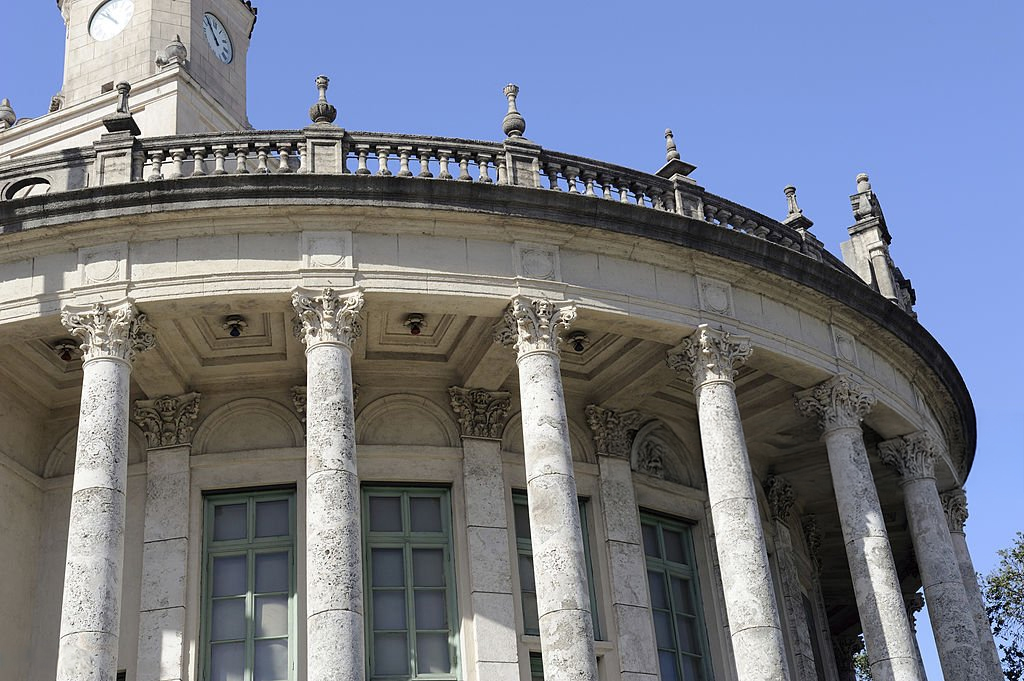
Hosted by Scott Fais, the episode traces Coral Gables’ origins through a curated tour of its most storied locations: the Merrick House, the Biltmore Hotel, the city’s Historic Villages, the University of Miami, and Fairchild Tropical Botanic Garden. At each stop, historians and community leaders narrate the city’s evolution from George Merrick’s Mediterranean garden-city concept to the preservation-minded, culturally active municipality it is today.
Local voices tell the story
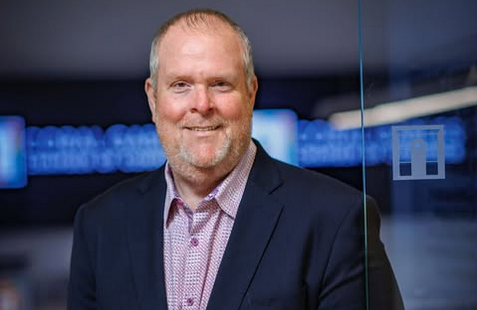
Among the featured commentators are historian Dr. Paul George of HistoryMiami; Joanne Meagher, chair of the Merrick House Governing Board; Christine Rupp, executive director of Dade Heritage Trust; Carl Lewis, director of Fairchild Tropical Botanic Garden; and University of Miami Senior Vice President Patricia Whitely. Each brings a specific lens to the story — architecture, history, nature, or education — underscoring how deliberate design and long-term stewardship shaped the city’s identity.
Meagher describes Merrick House as “ground zero for Coral Gables,” noting how George Merrick’s early ambitions as a poet gave way to city planning after he read Tales of the Alhambra. Dr. George reflects on how the city “knows how to hold on to its roots,” even as it evolves through “so many epochs.”
From there, the narrative moves to the Biltmore — constructed in 10 months in 1925 — whose history includes use as a military hospital during World War II and later as part of the University of Miami’s medical campus. The program then explores the city’s international-style Historic Villages, which Merrick conceived as distinct neighborhoods with their own character and architectural language. Rupp explains how these enclaves were meant to blend cultural inspiration with livability.
At the University of Miami, Whitely recounts the institution’s opening just weeks before the 1926 hurricane and its emergence as an academic and athletic institution of national stature. The episode ends at Fairchild Tropical Botanic Garden, established in 1938 with the support of conservation advocate Marjory Stoneman Douglas and landscape architect William Lyman Phillips. Lewis emphasizes the garden’s legacy as a refuge for both biodiversity and public education.
A centennial collaboration
Martha Pantin, the city’s Director of Communications and Public Affairs, said the episode came together through the efforts of Communications Coordinator Sandra Rodriguez, who facilitated the visit at no cost to the city.
“As part of our Centennial outreach, we provided background materials, story leads, and contacts for several key locations,” Pantin said. “The production team reviewed the information and independently selected the sites they wanted to explore.”
Pantin said the finished program “came out beautifully and truly captures the charm and heritage of Coral Gables.” It premiered statewide on PBS affiliates, including WUCF and WLRN, and remains available on digital platforms for continued viewing.
One segment — filmed at the Venetian Pool — did not air due to the facility’s temporary closure for renovations. Pantin said it will appear in an extended “Producer’s Cut” for PBS members or as a stand-alone digital feature once the pool reopens.
Centennial visibility beyond broadcast
Pantin noted that Florida Road Trip is the second major television feature to highlight the city during its centennial year. In April, WPLG Channel 10 aired a half-hour special on Coral Gables with a similar focus on history and civic planning. While the city explored partnerships with other media outlets, many required paid arrangements, so the administration concentrated on no-cost opportunities with statewide reach and broad public access.
She said these features align with broader Centennial goals: raising visibility, drawing attention to cultural assets, and reinforcing the city’s legacy beyond South Florida.
A portrait of legacy and continuity
The episode’s storytelling reinforces a throughline of intention and continuity — a city envisioned with a poetic sensibility, shaped by distinctive architecture and landscape, and sustained by preservationists, educators, and civic leaders.
As host Scott Fais puts it, Coral Gables “has always known how to hold on to its roots, even as it grows toward the future.” The centennial year, he suggests, offers not just a commemoration of the past but a renewed sense of how identity, planning, and civic pride intersect across generations.

Author: Coral Gables Gazette News Staff
Originally established in 1996 and relaunched as a digital publication in February 2025, the Coral Gables Gazette is an independent local news organization dedicated to factual, objective and accountable community journalism. Our newsroom reports on the people, policies, institutions and events shaping Coral Gables, Florida, providing residents with timely, informative coverage of the issues affecting their community. Our reporting includes City Hall, local government, municipal elections, public spending, real estate development, business, education, arts and culture, and neighborhood affairs throughout the City Beautiful. We follow City Commission decisions, examine public records and report on the businesses, organizations and individuals contributing to Coral Gables. We believe informed residents are essential to a healthy, engaged community. Stories published under the Coral Gables Gazette News Staff byline are prepared or compiled by the publication's editorial team. We strive for accuracy, fairness, transparency and clear distinctions between news reporting, opinion and advertising. Readers are encouraged to submit news tips, corrections, editorial inquiries and story suggestions through our Contact page and learn more about our standards through our Editorial Policy.








Thank you to Martha Pantin and her communications team for the great coordination with PBS. The program showcases the City beautifully encompassing 100 years of history. Dr Paul George is always a star.
Our organization looks forward the extended “Producer’s Cut” that will highlight the Venetian Pool.