By Coral Gables Gazette staff
The Coral Gables Economic Development Board met September 3 to review results from Taste of the Gables 2025, the city’s month-long culinary initiative that ran throughout July. The program drew participation from 74 restaurants and, according to city officials, generated stronger returns for both businesses and the community.
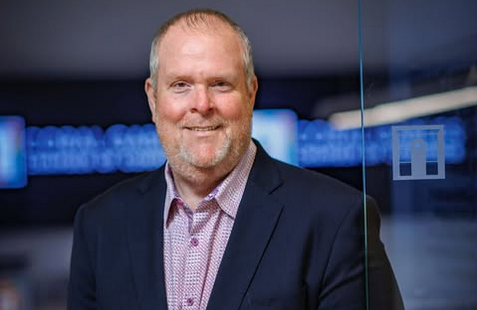
Economic Development Director Belkys Perez told the board that participating restaurants averaged $509 in ticket sales. Three major activations stood out: a guided Foodie Tour, a Rolls-Royce–sponsored dinner at Michelin-starred Shingo, and the Flavors of the Gables showcase.
Perez reported that the city’s marketing efforts—including a new dedicated website, social media campaigns, and traditional advertising—generated more than 5.5 million impressions and views, with a campaign reach of 325,000. Parking data also reflected increased activity, with usage up 9.4 percent and parking revenue up 1.4 percent compared to the same period last year.
“These numbers highlight not only the strength of our restaurant scene but the broader economic ripple effects that large-scale community events can bring,” Perez said.
Culinary celebration with economic purpose
Taste of the Gables was conceived as a midsummer boost for the city’s dining sector, traditionally a slower season for restaurants. Each participating venue offered prix-fixe menus, specials, or promotions designed to draw in residents and visitors. Lunch menus started at $30 and dinner options at $45, with many restaurants adding extras such as cocktail pairings or dessert upgrades.
“This program is all about spotlighting the exceptional culinary talent we have right here in Coral Gables,” Perez said when the initiative launched earlier this year. “Taste the Gables gives residents and visitors alike a reason to explore our restaurants, try new flavors, and support local businesses during a traditionally slower time of year.”
Participating venues spanned the spectrum, from Michelin-honored kitchens such as Shingo, Zitz Sum, and Bachour, to neighborhood favorites ranging from trattorias to tapas bars. City officials said the goal is to showcase diversity without sacrificing the unique identity of each establishment.
Marketing and exposure
The campaign was anchored by TasteTheGables.com, a website with an interactive restaurant directory, blog content, event listings, and sponsor highlights. Diners could search by cuisine, price point, or location, making it easier to plan multiple outings.
The marketing strategy also featured coordinated public relations, digital advertising, and social media outreach. The result, Perez said, was measurable visibility for local restaurants and a stronger sense of Coral Gables as a dining destination.
Measuring impact
Board members noted that the program was not just about dining but also about positioning Coral Gables in the region’s competitive restaurant landscape. Parking data underscored the program’s reach, with usage and revenue both up during July.
Perez said businesses benefit not only from increased ticket sales but also from ancillary spending in retail, transportation, and entertainment. “The faster that our businesses can open their doors or draw more customers, the stronger the return for the entire community,” she said.
A city where dining is identity
Officials noted that Coral Gables’ restaurant economy benefits from a stable customer base that includes residents, University of Miami students and staff, international consulates, and the headquarters of multinational companies. The city’s daytime population nearly doubles during the week, creating steady demand for dining options.
Taste of the Gables, they said, reflects not only a marketing initiative but also the city’s identity as a destination where dining and community life intersect.
“Taste of the Gables is a reminder of why Coral Gables is South Florida’s ultimate dining destination,” Perez said. “It is a celebration of food, culture, and community—and it continues to grow.”
New public art in McBride Plaza
Alongside the culinary results, the Economic Development Board also heard updates on upcoming cultural projects. Among them is a mural initiative in partnership with Málaga, Spain, that will bring new public art to McBride Plaza. The city is also exploring the revival of a storefront program that places working artists in vacant retail spaces on Miracle Mile.
Board members said the storefront initiative, which has been tested in other cities, could both give artists visibility and draw foot traffic to underutilized areas, benefiting nearby small businesses.

Author: Coral Gables Gazette News Staff
Originally established in 1996 and relaunched as a digital publication in February 2025, the Coral Gables Gazette is an independent local news organization dedicated to factual, objective and accountable community journalism. Our newsroom reports on the people, policies, institutions and events shaping Coral Gables, Florida, providing residents with timely, informative coverage of the issues affecting their community. Our reporting includes City Hall, local government, municipal elections, public spending, real estate development, business, education, arts and culture, and neighborhood affairs throughout the City Beautiful. We follow City Commission decisions, examine public records and report on the businesses, organizations and individuals contributing to Coral Gables. We believe informed residents are essential to a healthy, engaged community. Stories published under the Coral Gables Gazette News Staff byline are prepared or compiled by the publication's editorial team. We strive for accuracy, fairness, transparency and clear distinctions between news reporting, opinion and advertising. Readers are encouraged to submit news tips, corrections, editorial inquiries and story suggestions through our Contact page and learn more about our standards through our Editorial Policy.