
By the Coral Gables Gazette editorial board
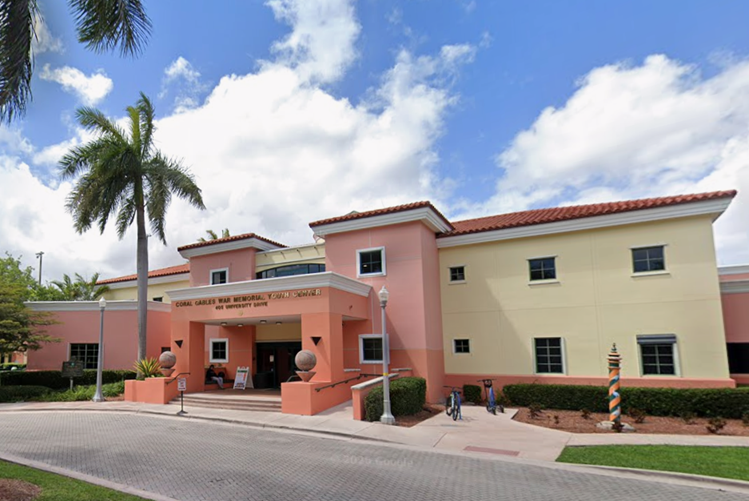
The Coral Gables commission did the right thing this week when it stepped back from pursuing legal action against War Memorial Youth Center Association. After 11 months of escalating pressure — an investigation opened last July, a document demand that pushed both sides toward court, and a spring of warning letters from lawyers — a unanimous vote to pause litigation was a welcome act of restraint. Lawsuits between a city and a charitable association created to serve that city’s children are corrosive even when they are necessary, and this one had begun to look less necessary by the month. We are glad the commission found the better instinct.
But a pause is not a resolution, and the resolution the commission adopted makes that plain. Even as it shelved the lawsuit, the city attached a condition: no major capital improvements to the Youth Center until the association agrees to modify the reverter clause at the center of the dispute. That single sentence changes the character of the pause. It trades one form of pressure for another. The lawsuit is gone; the leverage remains, and it is now aimed at the same target through a different instrument.
This is the part that should give residents pause of their own. The reverter clause was written into the deed in the 1950s for a specific reason — to ensure that a property dedicated to the city’s youth could not quietly be turned into something else. And it is real protection. In the 1960s, a Coral Gables commission proposed building a public school on the site. The association invoked the reverter clause to object, and the city sued to override it. The city lost. It appealed, and lost again at the Third District Court of Appeal. The clause held. The property remained a youth center. That is the record, and it is worth stating plainly because it cuts against the argument now being made against the clause.
The city’s case is that the provision is structurally uneven — that it protects the association more than residents, and that if the property ever reverted, nothing would compel the organization to keep running a youth facility. If the clause genuinely contains that gap, it is worth fixing. But the history shows something the city’s framing leaves out: the one time in nearly 70 years that the Youth Center’s purpose was actually threatened, the threat came from city hall — and the clause is what stopped it. A protection that has already done its job once, in court, should not be dismantled on the theory that it might someday fail to do it.
There is also a question the city has never adequately answered, and residents are entitled to press it: why now? The investigation that began last summer was justified by resident concerns, but the deeper rationale for reopening a settled, decades-old arrangement has never been made clear. A city contemplating the removal of a long-standing covenant owes the public a fuller explanation than it has offered. Absent a fuller explanation, residents are left to wonder whether the city is seeking clarity, control, or some combination of both.
The deeper problem is that both sides claim to be defending the same thing. The city says the clause does not adequately protect the Youth Center. The association says the clause is the only thing protecting it. They cannot both be the sole guardian of the center’s future, but they can both be right that its future is what matters. That common ground is precisely what an extended standoff will bury. A dispute conducted through litigation threats, conditional funding, and competing letters from lawyers produces winners and losers. It does not produce a stronger Youth Center.
So we would urge the commission to treat this pause as the beginning of a settlement. That means negotiating in the open, with a defined timeline that residents can hold both parties to, rather than letting the matter drift toward and past an election. And it means separating the question of capital improvements from the question of the deed. If the Youth Center needs repairs or upgrades that serve the children who use it, those needs should be evaluated on their own merits — safety, accessibility, programming, long-term value — and met. They should not be held in reserve as a bargaining chip. Children waiting on a renovated facility are inappropriate leverage in a dispute over deed language, and a city that prides itself on its institutions should not put them in that position.
Above all, it means being honest about the actual goal. If the city’s real concern is that the reverter clause fails to guarantee continued use as a youth center, the remedy is to add that guarantee, not to remove the protection altogether. A serious settlement could do three things at once. It could affirm, in language clearer than the original deed, that the property must remain dedicated to youth-serving public use. It could ensure that residents continue to benefit from the facility regardless of which entity holds enforcement rights. And it could free the city to make responsible repairs and improvements without weakening the central protection the deed was written to provide. That is clarity. Stripping the clause and asking residents to trust that future commissions will do right by the property is not clarity; it is the absence of it.
The Youth Center has outlasted more than one commission and more than one controversy. It will outlast this one too. The question is whether it emerges with its public purpose more clearly protected, or merely with the existing protection weakened and nothing durable put in its place. The city has earned some credit by pausing. It can earn far more by using the pause well — to negotiate transparently, to define the protections plainly, and to settle the matter in a way that honors the deed, protects the public, and serves the children the Youth Center exists to serve. That is the resolution residents deserve. Another standoff, by any other name, is not.



This Post Has 42 Comments
Extremely well researched and articulated.
Thank you.
A well consider and finely expressed opinion on this important matter. One cannot ask for better from a local publication dedicated to keeping citizens informed of important matters by those who pay careful attention to the daily machinations of life in Coral Gables. Bravo and sincere thanks.
I wonder if Lago’s buddy, the former mayor of Miami Francis Suarez, is coaching him in how to “repurpose” the Youth Center, like Suarez did with the shameful giveaway of Melreese Golf Course in the City of Miami.
esltuh
References:
Ho chunk casino madison https://forum.liquidfiles.com/proxy.php?link=https://myseldon.com/away?to=https://de.trustpilot.com/review/owowear.de
References:
Kingmaker Casino Seriös thefreedictionary.com
References:
KingMaker Casino Bonuscode Einzahlung forums.bit-tech.net
References:
Hitnspin casino download http://images.google.co.uk/url?sa=t&url=http://translate.itsc.cuhk.edu.hk/gb/de.trustpilot.com/review/der-wikinger-shop.de
References:
Hitnspin casino kostenlos spielen cse.google.co.ke
References:
Hitnspin casino freispiele https://97.cholteth.com/index/d1?diff=0&utm_clickid=g00w000go8sgcg0k&aurl=https://board-de.farmerama.com/proxy.php?link=https://de.trustpilot.com/review/der-wikinger-shop.de
References:
Hitnspin auszahlung dauer gta.ru
References:
Hitnspin promo code http://www.morrowind.ru/
References:
Lollybet Casino Auszahlung http://images.google.bj
References:
Lollybet Casino Mindesteinzahlung http://www.google.com.lb
References:
Lollybet Promo Code http://clients1.google.tg
References:
Lollybet Casino Bonus ohne Einzahlung lioden.com
References:
Lollybet Casino Betrug http://clients1.google.jo/url?q=http://csmouse.com/user/linebutane4/
References:
Hitnspin casino kostenlos spielen http://clients1.google.com.ai/url?sa=t&url=https://sundaynews.info/user/doubtbabies1/
References:
Hit n spin promo code http://clients1.google.mk/url?q=https://dle105.lestor.org/user/sailrandom3/
References:
Hitnspin casino spiele http://alagard.ru
References:
Pokies net australia payid withdrawal https://worship.com.ng/elinorwhited92
References:
Online pokies real money payid listingindia.in
References:
Online pokies real money payid https://reoflix.com
References:
Best instant payid pokies australia real money https://incisolutions.app/
References:
Online pokies with payid australia real money remotejobs.website
References:
Online pokies with payid http://www.seenitlikethis.com
References:
Online pokies with payid https://ashkert.am/աշկերտի-համար/payid-betting-sites-australia-2026-top-sites-reviewed/
References:
Online pokies with payid https://gitea.slavasil.ru/lorenzostack32
References:
Payid pokies list https://mobidesign.us/employer/best-new-mobile-casinos-australia-2026-instant-play
References:
Pokies net australia payid withdrawal https://music.1mm.hk/laurihargrove
References:
Payid pokies aus https://youthforkenya.com/employer/best-payid-pokies-in-australia-for-real-money-2025
References:
Australian online pokies payid tv.sparktv.net
References:
Online pokies with payid https://ecsmc.in/employer/bitstarz-casino-review-2026-6-min-fast-payout-audit/
References:
Lollybet Casino Zahlungsmethoden google.co.th
References:
Lollybet Casino Bitcoin 61.cholteth.com
References:
Lollybet Casino Live Chat https://tannarh.narod.ru
References:
Lollybet Casino Bonus https://kaptur.su/
References:
Lollybet Casino Bonus ohne Einzahlung novtrailers.ru
References:
Lollybet Casino Live Dealer http://image.google.je
References:
Lollybet Casino Spiele http://maps.google.co.zm/url?sa=t&url=https://weadown.in/catherinehartz
References:
Lollybet Casino Zahlungsmethoden google.hu
References:
Lollybet Spiele https://kt-pet.info/