By Coral Gables Gazette staff
The candles go down one at a time. The church fills with a particular kind of silence — not the silence before music begins, but the silence that music has already begun to create. Then the voices arrive, unaccompanied, filling the stone and wood of the room with sound that has nowhere to go but inward.
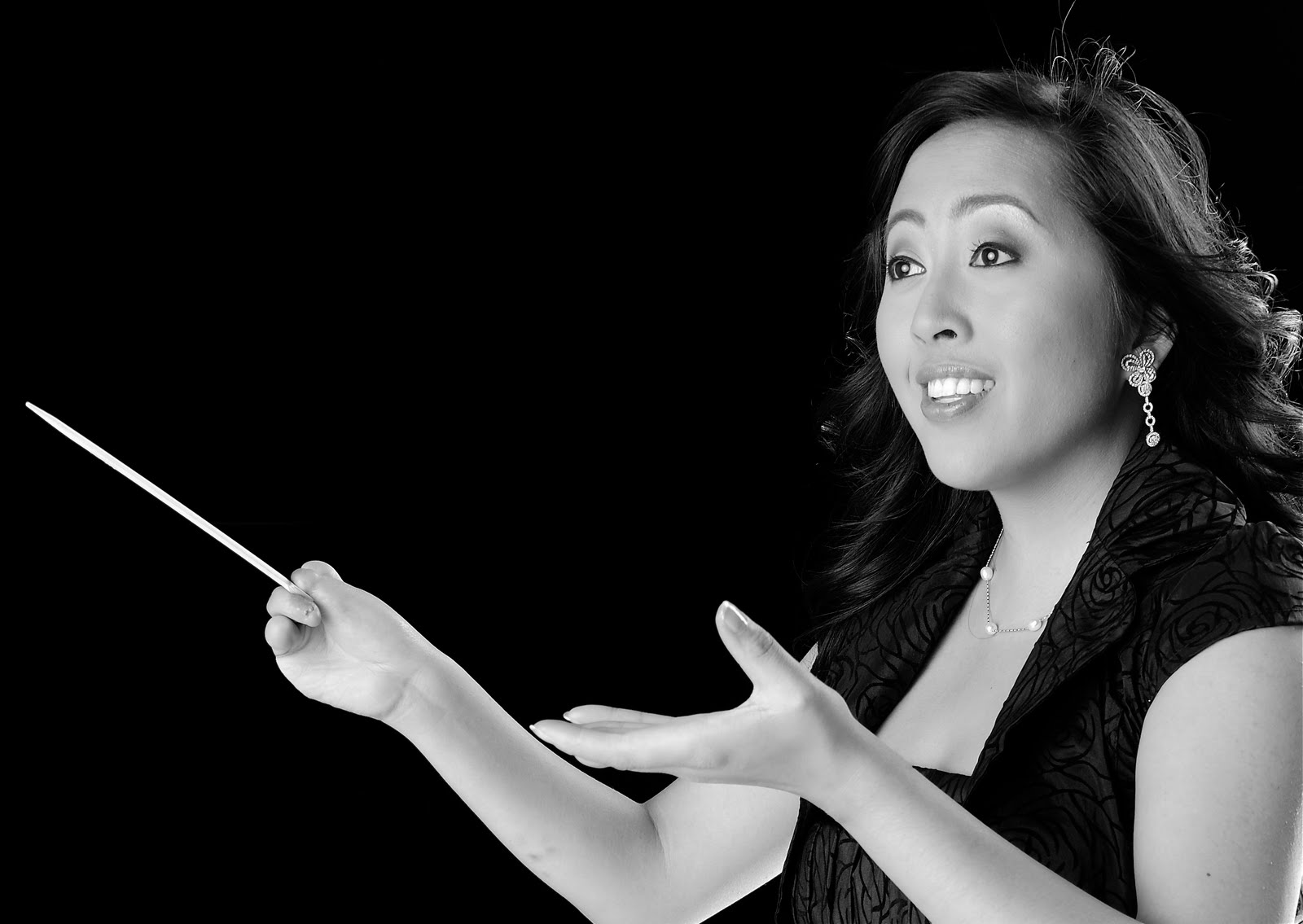
That is the Seraphic Fire candlelight experience, and it comes to St. Philip’s Episcopal Church in Coral Gables on Friday, March 20, at 7:30 p.m. This year’s program, built around the themes of water and nature, features guest conductor Arianne Abela making her Seraphic Fire debut at the helm of Florida’s only Grammy-nominated professional choir. A pre-concert conversation with Amanda Crider — founder of IlluminArts and a South Florida mezzo-soprano — begins one hour before the performance.
The original candlelight concert
Before candlelight concerts became a South Florida trend — before the branded pop-up tributes and the immersive experience franchise events — Seraphic Fire was doing this. The ensemble has presented candlelit choral performances for more than twenty years, in church spaces across the region, for audiences who return season after season because nothing else produces quite the same effect.
Founded in 2002 by Patrick Dupre Quigley while he was music director at the Church of the Epiphany in South Miami, Seraphic Fire has grown from a small volunteer ensemble into a professionally managed organization with a roster of nearly sixty world-class singers drawn through competitive national auditions. The ensemble has recorded seventeen full-length albums, earned two Grammy nominations in 2012, placed two recordings in the top ten of Billboard’s classical chart, and been praised by The New York Times and Gramophone. It tours nationally and has performed internationally.
The candlelight concert is the ensemble’s most beloved annual program — the one that most fully realizes what Seraphic Fire’s performances are designed to be. The physical setting is not incidental. The candlelight is not atmosphere. It is the condition under which the music is heard. Patrick Dupre Quigley, who is conducting his final full season as artistic director before transitioning to an artistic director laureate role, has described the experience as a time travel through hundreds of years of music and culture. On Friday, that journey is organized around water.
From the rivers of Babylon to the sea
The program opens with Giovanni Pierluigi da Palestrina’s “Super flumina babylonis” — By the rivers of Babylon — a setting of Psalm 137, the lament of the Jewish exiles in Babylon who sat by the rivers and wept, unable to sing the songs of their homeland in a foreign land. Palestrina, writing in the 16th century, was the defining figure of Renaissance polyphony, and this motet is among his most profound works: spare, deeply expressive, the voices winding together in the kind of counterpoint that makes grief feel architectural.
The program closes with Jaakko Mäntyärvi’s “Canticum calamitatis maritimae” — Song of a maritime disaster — a contemporary Finnish choral work that sets a Latin text about a catastrophic storm at sea. Mäntyärvi, one of the most performed choral composers of his generation, writes for unaccompanied voices with a command of texture and color that makes the ensemble sound larger than it is. The piece has become a standard of the international choral repertoire since its premiere in 1997, and its pairing with Palestrina across nearly five centuries of choral tradition is the kind of programming decision that separates Seraphic Fire from lesser ensembles.
Between those two anchors, Abela has shaped a program that moves through the different aspects of water — its calm, its violence, its spiritual resonance, its capacity for both destruction and renewal. The candlelight setting turns that thematic journey into something closer to immersion than observation.
The conductor making her Seraphic Fire debut
Arianne Abela arrived in the national consciousness in 2013, when she led her Connecticut-based 3 Penny Chorus and Orchestra to the semifinals of Season 8 of “America’s Got Talent” — performing not the expected choral showpiece but an arrangement of Carly Rae Jepsen’s “Call Me Maybe” that left the judges visibly surprised and the audience on its feet. The chorus subsequently recorded that arrangement for the soundtrack of Elizabeth Banks’ film “Walk of Shame.” The episode became a small landmark in how the general public thinks about what a professional chorus can do.
That instinct for unexpected connection — for finding the bridge between what an audience expects and what it actually needs — has defined Abela’s career since. She holds a doctorate in conducting from the University of Michigan and a master’s from Yale, directs the choral program at Amherst College, and serves as artistic director of Kaleidoscope Vocal Ensemble, a professional chamber group she founded with an explicit commitment to racial, ethnic, and gender diversity in programming and personnel. She is also an advocate for musicians with physical and learning disabilities, presenting nationally on accessibility and inclusion in the choral world.
For her Seraphic Fire debut, Abela has said she thought specifically about the candlelight setting — not just as a backdrop but as a creative constraint. The darkness that surrounds the candles changes how sound travels in a room and how an audience receives it. She has designed the program to work with that condition rather than against it.