
By the Coral Gables Gazette editorial board
Coral Gables mailed 37,332 ballots this month for its first citywide, mail-only charter referendum. Three weeks before the April 21 deadline, 3,075 have been returned. Measured against the city’s active eligible voter pool of 30,342, that is an early turnout of 10.1 percent.
One of the eight questions on that ballot is designed to address precisely this problem. Referendum 1 would move city elections from April of odd-numbered years to November of even-numbered years, aligning local contests with higher-turnout national cycles. The premise is clear: if more people are voting at the same time, more people will participate in local elections as well.
But the early numbers reveal a complication that goes beyond timing. Coral Gables invited one electorate to participate and is measuring turnout against another.
Ballots were mailed to all 37,332 registered voters. Yet the turnout figure is calculated using only the 30,342 voters classified as active and eligible. The difference — 6,990 voters, or 18.7 percent of those who received ballots — reflects Florida’s system for designating voters as active or inactive based on recent participation and address verification. Inactive voters remain eligible to vote and, in this election, were sent ballots. But they are excluded in the denominator used to calculate turnout.
The result is a civic paradox. Thousands of households were asked to participate in this referendum, but the official measure of participation does not expect them to respond.
That sentence is a description of how Florida election law works — and why the turnout numbers deserve more scrutiny than they are likely to receive. The Supervisor of Elections is applying the law correctly. No wrongdoing is alleged and none should be inferred.
But accuracy and completeness are different standards. A turnout figure can be technically accurate and publicly misleading at the same time. When a city mails ballots to 37,332 households and measures participation against 30,342, it is measuring a subset of the civic act it initiated. The voters who were invited but do not count toward the official result are not absent from the election. They are absent from the arithmetic.
This matters because turnout shapes legitimacy. Charter amendments passed with 15 percent turnout carry a different civic weight than those passed with 35 percent. The denominator is the foundation on which the mandate rests. When nearly one in five ballots sent out falls outside that foundation, the city owes its residents a clear accounting of what the final number actually represents.
The early returns offer further texture. Republican voters account for a disproportionate share of ballots returned so far — 1,321 of 3,075, or 43 percent — a pattern consistent with mail-ballot elections nationally. Returns vary widely by precinct: Precinct 636, anchored by the Coral Gables Branch Library, leads with 410 returned ballots, while Precinct 646 at the city’s southern edge has returned just 23. That disparity reflects real differences in civic connectedness and in the friction residents encounter when trying to participate.
That friction is built into this election’s design. There is one drop-off location for voters who cannot or prefer not to use the mail — the Miami-Dade Supervisor of Elections office in Doral, miles outside the city. There is no ballot curing if a signature is missing. There is no in-person option. For residents who navigate these barriers poorly, the path from receiving a ballot to having it counted is longer than it needed to be.
Commissioner Ariel Fernandez raised these concerns when the commission voted 3–2 to place the referendum on an April mail ballot. He was right to raise them. The structure of an election shapes who participates in it. That principle belongs at the center of any serious conversation about democratic reform — including the conversation Coral Gables is currently having with itself.
With three weeks remaining, it is too early to draw conclusions about the final turnout. The number now is a signal. The question is what the city does with it.
The commission, civic organizations, and neighborhood associations should be working now to reach the 27,267 active eligible voters who have not yet returned a ballot —to make certain they know that voting remains possible, that the process is straightforward, and that the questions on the ballot are consequential enough to warrant their attention. An election about civic participation deserves a civic response.
The eight questions on this ballot are structural decisions that will shape Coral Gables for a generation. The people who were asked to weigh in on those decisions — all 37,332 of them — deserve a city that governs as though their participation matters, not merely one that mails them an envelope and waits.
Coral Gables has three weeks to answer the question it placed on the ballot. The answer will be found in the extent to which residents choose — and are able — to take part.
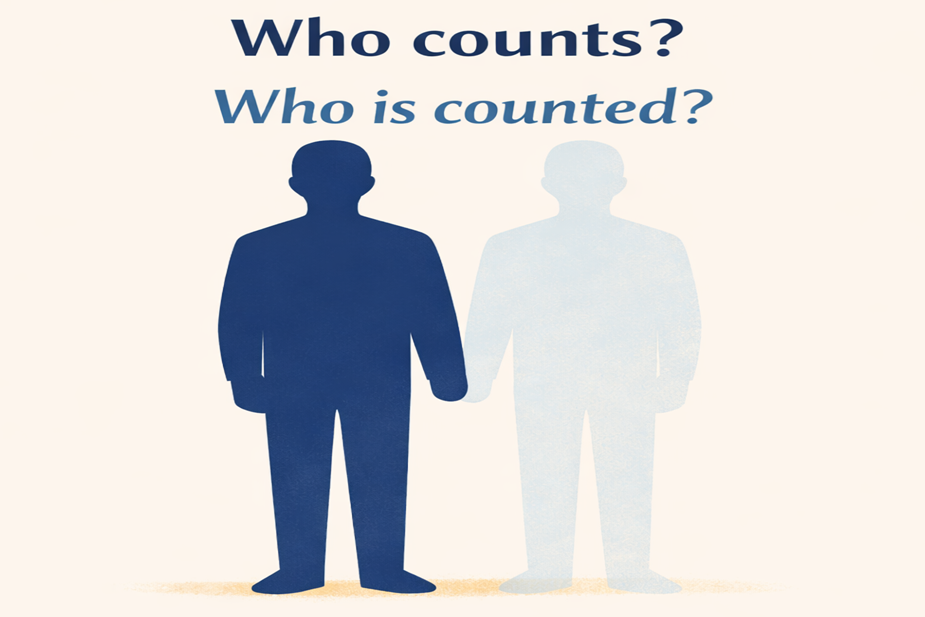
Turnout is a measure of who counts — and who is counted.










One problem with the results: we moved to CG nearly 5 yrs ago. The previous owners moved to NYC and now reside there. We received ballots for the two of them, former residents at our address along with ours. Your resident rolls are counting people that are no longer residents of CG. PLEASE CLEAN UP YOUR VOTER RESIDENT ROLL.
References:
KingMaker jetzt einzahlen bonus http://images.google.co.ck/url?q=https://l2l.li/dollieike17310
References:
Lollybet APK google.bi
References:
Australian online pokies payid https://git.freno.me/monikatejada41
References:
Payid pokies instant withdrawal jobs.careerincubation.com
References:
Pokies net australia payid withdrawal mginger.org
References:
Lollybet Test https://alltrack.org/go/https://amazon.2fdoc.com/albertoulm497
References:
Lollybet Startguthaben http://www.google.co.ve/
References:
Lollybet Kontakt http://krs-sro.ru/bitrix/redirect.php?goto=https://cal-me.com/viviencadwalla
References:
Lollybet Einzahlung https://pferd-auth.vit.de/