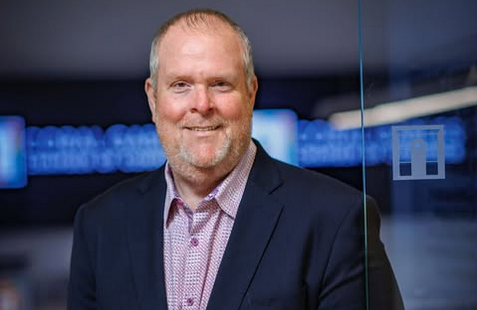
Coral Gables Mayor Vince Lago used a Sept. 23 Town Hall to endorse all four city charter amendments on the November ballot as well as a statewide property-tax measure that could reduce city revenue by millions of dollars.
The meeting came one day before Miami-Dade County began mailing more than 200,000 Vote-by-Mail ballots for the Nov. 3 general election, which includes Coral Gables’ first November municipal election.
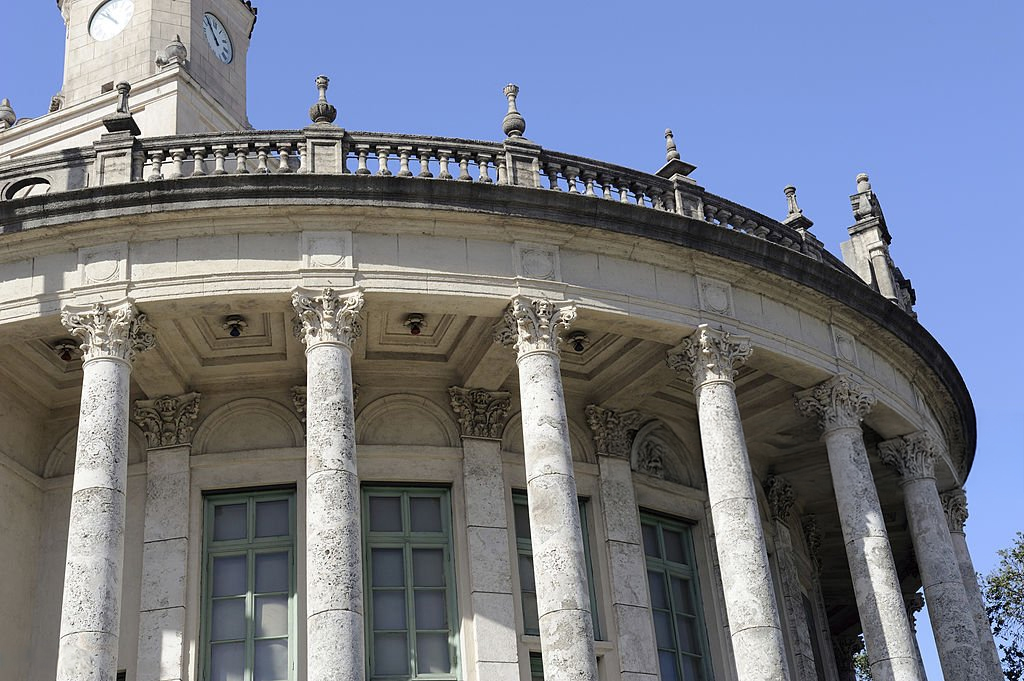
About 50 people, including numerous city staff members, attended the approximately 75-minute meeting at the Public Safety Building. Lago was joined by city officials and staff, Vice Mayor Rhonda Anderson, Miami-Dade County Commissioner Natalie Milian Orbis and Miami-Dade Tax Collector Dariel Fernandez.
Lago repeatedly described the meeting as an opportunity for residents to interact with elected officials and city staff, but only a handful of questions were asked. Most of the evening consisted of presentations about city projects, public safety and government services, along with discussion of the four proposed city charter amendments and Amendment 3, a proposed change to Florida’s Constitution affecting property taxes.
Four changes to the city charter
City Attorney Cristina Suárez began by explaining the four city questions that will appear on the Nov. 3 ballot.
The first would increase the charter threshold for public-works projects requiring formal competitive bidding from $25,000 to $300,000, subject to adjustment based on a construction-cost index. The second would require candidates for mayor or commission to have continuously lived in Coral Gables for at least one year before the end of the qualifying period, rather than one year before Election Day.
The third would increase the mayor’s term from two years to four, beginning with the 2028 election, while leaving the existing eight-year limit on consecutive mayoral service unchanged. Coral Gables currently elects its mayor to two-year terms, while commissioners serve four-year terms.
Lago said the proposal would not extend his current term. If reelected in November, he said, he would serve two more years and then reach the eight-year limit, meaning the four-year term would apply to his successor.
The fourth amendment would require approval from 60% of city voters before the city could sell, exchange, convey or lease for 10 years or longer certain city-owned parks, recreational facilities, golf courses or open space.
Lago said he supports all four measures, describing the property amendment as an additional safeguard for city parks. He cited the War Memorial Youth Center and Granada Golf Course as examples of properties that would require voter approval before a qualifying sale or long-term lease.
He also discussed the proposed Centennial Park, nearly six acres near Granada Boulevard and Ponce de Leon Boulevard that the University of Miami would convey to the city if the pending 30-year development agreement receives final approval and takes effect. The agreement advanced on first reading Aug. 25 but still requires final commission approval.
Lago backs homestead tax cut despite city revenue loss
Suárez also outlined Amendment 3, which would increase Florida’s homestead exemption for non-school property taxes to $150,000 in 2027 and $250,000 in 2028, with inflation adjustments thereafter. The amendment also would reduce the annual cap on assessment increases for non-homesteaded property from 10% to 5%.
Lago again expressed strong support for the amendment, saying it would provide significant tax relief to longtime homeowners and people buying their first homes.
He also acknowledged that the measure would reduce Coral Gables’ property-tax revenue. City budget estimates have projected a loss of about $5.7 million in fiscal 2028 and roughly $11.4 million in fiscal 2029 and subsequent years. Lago has previously described the second-year effect as about $12 million.
“This is a significant chunk of money out of our budget,” Lago said, while arguing that the tax relief would benefit people who need it.
Lago has said he would not support cutting city services to absorb the revenue loss. A detailed plan showing how the city would make up the potential shortfall has not yet been presented.
City lays out projects for its second century
Assistant City Manager Carolina Vester then presented an extensive list of infrastructure and capital projects that she said would carry Coral Gables into its second century.
They included the approximately $40 million restoration of City Hall, the city’s fourth full-service fire station, restoration of the Alhambra Water Tower, relocation and adaptive reuse of the historic Gondola Building, the $24 million acquisition of 475 Biltmore Way, improvements at Phillips Park and the redevelopment of Ponce Circle Park.
Vester also highlighted the proposed Centennial Park property. Under the pending agreement with the University of Miami, the 5.52-acre Lee Lincoln site would be conveyed to Coral Gables for use as a public park.
Lago said the property was worth substantially more than its approximately $50 million appraisal because of surrounding land values and described its acquisition as a once-in-a-lifetime opportunity.
Other projects discussed included the approximately $70 million downtown Mobility Hub, improvements along Ponce de Leon Boulevard, Florida Power & Light’s undergrounding program, a proposed green-waste and biochar facility and expansion of the city’s fiber network.
Police chief reports fewer vacancies and lower crime
Police Chief Ed Hudak said the department hired 37 officers in 2025, which he described as the largest police hiring effort in the city’s history. The department was down to four vacancies, he said, while its communications section had none.
Hudak also reported decreases in overall crime for each of the previous three years: 12% in 2023, 14% in 2024 and 6.9% in 2025. He said crime was down another 2% year-to-date compared with the same period in 2025.
Milian Orbis discussed cooperation between the county and Coral Gables, including extending the useful life of the city’s trolley fleet to 20 years and work involving electrical boxes and traffic signalization.
State funding returns after a year with none
Anderson and Government Affairs Director Chelsea Granell discussed the city’s efforts to secure state funding.
Granell said Coral Gables received no state allocations in 2024, about $1.2 million the following year and approximately $1.54 million this year.
Anderson and Lago attributed the earlier loss of state funding in part to dissatisfaction among state officials with a previous City Commission’s decision to increase elected officials’ salaries by 101%, provide car allowances and approve a monthly stipend. Lago said the city’s relationship with state officials improved after those compensation changes were reversed.
Fernandez told residents that the Miami-Dade Tax Collector’s Office had served about 63,000 people through roughly 75,000 transactions over the past year. He also said his office would not pursue a 2% fee applicable to certain services, resulting in what he estimated would be $3 million in savings for Coral Gables.
Few questions from residents
Only a few residents raised questions before the meeting ended.
One asked why some city entrance markers had been repainted white rather than their traditional salmon color and whether they could be returned to salmon. City staff said some of the changes dated to the COVID period and agreed to review photographs of the affected markers.
J.P. Faber of Coral Gables Magazine asked how the city planned to finance the Mobility Hub.
Lago said the project would be financed through bonds backed by parking fees and other revenue associated with the Mobility Hub. He said the structure was consistent with his preference that city borrowing be tied to dedicated revenue streams.
The meeting ended with Lago again encouraging residents to attend the city’s office hours and engage directly with elected officials and staff.