

By Coral Gables Gazette staff
Coral Gables leaders on Wednesday rallied behind the city’s proposed Mobility Hub, saying the light, open structure meets modern parking needs and positions downtown for future growth.
City Manager Peter Iglesias told commissioners that a Mediterranean-style rendering shared by a local architect “does not fit the site” and would require mechanical ventilation. The approved concept, he said, allows natural airflow, includes a rooftop park and active ground floor, and could one day be adapted into offices or housing. He added that the design reserves vertical shafts for mechanical and electrical systems, making future conversion feasible.
Mayor Vince Lago called the current design the only way to preserve capacity while meeting today’s codes. “Common-sense math says you have to go vertical,” he said, noting that larger stalls, elevators and ADA features mean fewer spaces per level. He emphasized that construction will be funded through parking revenue rather than the general fund. Lago urged the city to “stop scaring people” with talk of taxes or uncontrolled growth and move the project forward.
Vice Mayor Rhonda Anderson said the design could benefit from a “softer” treatment but urged colleagues to build on — not replace — the work already done. She praised the plan’s safety advantages over dim, deteriorating garages and said residents will benefit from improved lighting and ventilation.
Dissent on scale and style
Commissioner Melissa Castro pressed for a smaller, Mediterranean-inspired hub and questioned its height. She showed a series of images from a resident who argued that the city’s commitment to Mediterranean Revival architecture should extend to its own facilities. Castro said she found the alternative rendering “more eye-appealing … being in back of Miracle Mile.”
She also presented police records showing only two reported crimes in Coral Gables garages over the past decade — a 2016 battery and a 2017 robbery — contending that public-safety concerns should not justify an “enormous” building.
Castro criticized a proposal to sell Garage 1 to help finance the hub, describing the parcel as “prime real estate” that should remain under municipal control. “Nobody likes to walk two or three blocks and circle up to the ninth floor,” she said, suggesting instead two modest garages of four or five stories.
Zoning clash and cultural access
The most pointed exchange came when Castro asked the city attorney if Garage 1 could be down-zoned before any sale to cap its future height. Iglesias clarified that the parcel at issue is Garage 1, not Garage 4, and said its current MX-3 zoning allows up to 150 feet — 190 with a Mediterranean bonus — limits that predate the sitting commission.
Mayor Lago sharply rejected the idea of reducing entitlements. He said he had “heard some pretty insane things” but this “takes it to a new level,” warning that down-zoning would “compromise the value of the property.” Maintaining its zoning, he argued, gives the city leverage whether it sells, leases for 99 years, or enters a public-private partnership.
Anderson agreed that zoning limits should wait until a concrete proposal is on the table. Commissioner Ariel Fernandez urged planners to weigh cultural uses, noting that the Sanctuary of the Arts relies on Garage 1 for weekend parking. Anderson added that patrons already have access to an adjacent lot at night, but said the city must still address structural issues and a lack of ADA access in its older garages.
Broader context and next steps
Throughout the discussion, Lago framed the hub as a corrective to decades of underinvestment in downtown parking. He cited small spaces, aging elevators, and concrete “skins falling off” existing garages, warning that replacing them with low-rise decks would waste valuable land. He also recalled past mistakes in parking architecture, including an older garage where a forced Mediterranean façade created poor ventilation and lighting.
Iglesias said the proposed hub is designed for flexibility: its rooftop park could host a restaurant, its ground level aligns with the Miracle Mile paseo, and its internal layout anticipates micromobility and even drone logistics. “You can’t force a design on a use,” he said.
The commission took no vote, but a clear split emerged. Iglesias, Lago and Anderson backed the current direction and urged completion of final drawings. Castro stood by her opposition, warning that once the city sells property “it will be too late” to impose limits. Fernandez suggested ongoing dialogue to balance neighborhood concerns, arts access, and parking supply.
The debate underscored how the Mobility Hub has become a test of Coral Gables’ approach to growth, architectural identity and stewardship of prime downtown land. Staff is expected to return with updated renderings, financing models and a clearer timeline before the end of the year.

Author: Coral Gables Gazette News Staff
Originally established in 1996 and relaunched as a digital publication in February 2025, the Coral Gables Gazette is an independent local news organization dedicated to factual, objective and accountable community journalism. Our newsroom reports on the people, policies, institutions and events shaping Coral Gables, Florida, providing residents with timely, informative coverage of the issues affecting their community. Our reporting includes City Hall, local government, municipal elections, public spending, real estate development, business, education, arts and culture, and neighborhood affairs throughout the City Beautiful. We follow City Commission decisions, examine public records and report on the businesses, organizations and individuals contributing to Coral Gables. We believe informed residents are essential to a healthy, engaged community. Stories published under the Coral Gables Gazette News Staff byline are prepared or compiled by the publication's editorial team. We strive for accuracy, fairness, transparency and clear distinctions between news reporting, opinion and advertising. Readers are encouraged to submit news tips, corrections, editorial inquiries and story suggestions through our Contact page and learn more about our standards through our Editorial Policy.



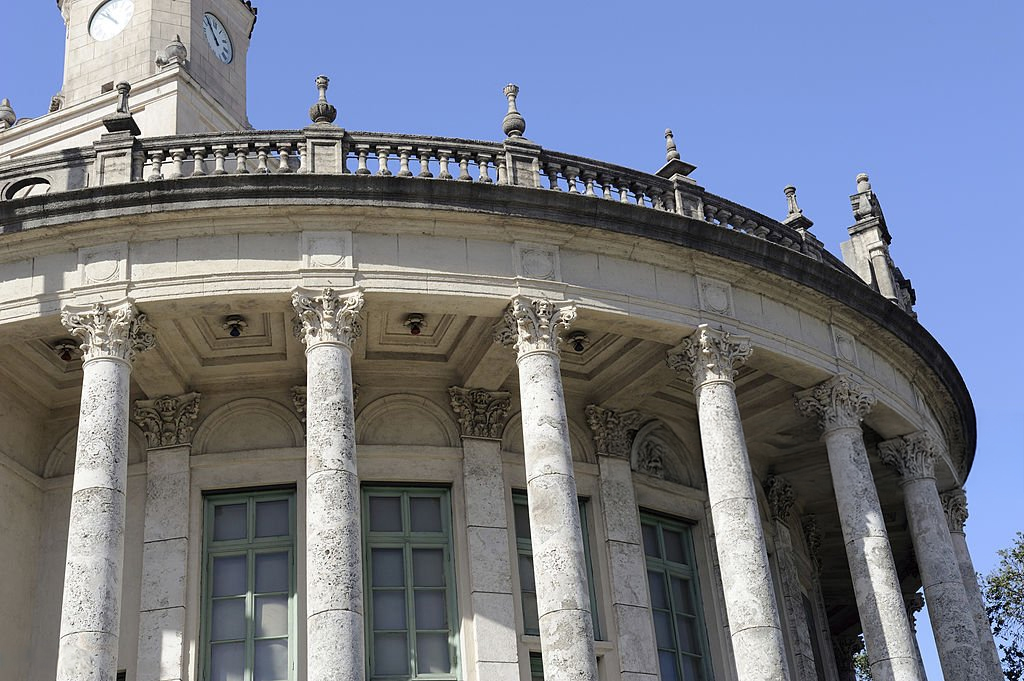







“You can’t force a design on a use.” Really?
As the greatest American architect, Frank Lloyd Wright, famously said, “Form follows function.”
Look down the street at the Biltmore.
That thing got ugly, fast.
It’s now in competition with the Aragon garage.
Final Design has taken too many years. For a city founded on Mediterranean architecture, we should have supported our public servants with better options.
A Mediterranean or Art Deco design could have been more compatible and in front of the Board of Architects within weeks.