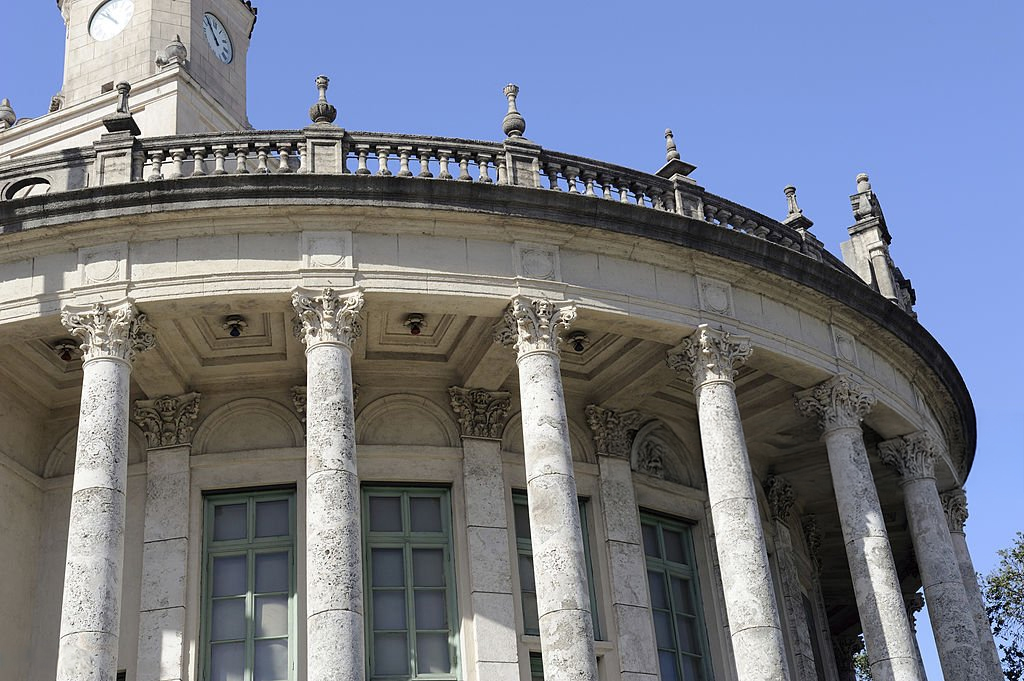
A major step in the City Hall restoration process arrives this week as the Historic Preservation Board prepares to review new details of the rehabilitation plan for one of Coral Gables’ most important civic landmarks at its next meeting on Thursday, Nov. 20 in City Hall at 4 pm. The agenda includes a restoration update that helps define the project’s current status and the decisions that will guide the next stage of planning.
City Hall has undergone structural assessments and material evaluations over the last year, and the update now before the board indicates a shift from early analysis to decisions that will shape the next phase of work. Because the board serves as the city’s primary reviewer for changes involving designated landmarks, its direction may guide architects and staff as planning moves toward next year.
Does restoration meet preservation standards?
The restoration update outlines work needed to address deterioration across the building’s limestone and keystone surfaces, including cracking, patching, and weathering documented during earlier field studies. Staff will present an update on the architects’ planned approach, and the board will evaluate how the treatment aligns with preservation standards.
The board’s review allows the city to confirm that the project remains aligned with the Secretary of the Interior’s Standards — the federal guidelines that govern treatments to historic materials and architectural features. The standards emphasize conservation of original fabric, appropriate replacement materials, and historically consistent finishes.
With planning accelerating, Thursday’s presentation marks the point where the city begins to translate assessment findings into specific restoration decisions.
Alhambra home seeks historically compatible addition
The board will also examine a request involving 2615 Alhambra Circle, a contributing property in the Alhambra Circle Historic District. The application proposes additions and alterations to the residence, requiring the board to evaluate how the design fits the district’s Mediterranean Revival character.
As with most district applications, the key questions center on massing, rooflines, materials, and the relationship between old and new construction. The board will determine whether the proposal integrates with surrounding historic properties and supports the architectural continuity that defines the district.
Landmark property proposes new site alterations
Another significant case involves 4200 Granada Boulevard, a Local Historic Landmark. Landmark applications receive heightened scrutiny because changes can set precedents for future work on designated properties.
The request includes additions and site modifications, and the board will assess whether the proposed treatment preserves the design qualities that justified the home’s landmark designation. The review will consider scale, visibility, and architectural integrity, ensuring that the alterations maintain the property’s historic significance.
New shelters planned for historic golf course
The city is seeking approval to install rain shelters at the Granada Golf Course, a historic landscape and one of Coral Gables’ most recognized public open spaces. Although utilitarian, the structures must meet preservation standards because they sit within designated historic recreational land.
The board will evaluate site placement, design compatibility, and visual impact. Public-facing projects in historic settings often raise questions about reversibility and the extent to which new construction affects views across the course.
Updates on returning cases
The agenda also includes a follow-up item regarding 1129 Sevilla Avenue, a recurring case that has appeared before the board in previous meetings.

Author: Coral Gables Gazette News Staff
Originally established in 1996 and relaunched as a digital publication in February 2025, the Coral Gables Gazette is an independent local news organization dedicated to factual, objective and accountable community journalism. Our newsroom reports on the people, policies, institutions and events shaping Coral Gables, Florida, providing residents with timely, informative coverage of the issues affecting their community. Our reporting includes City Hall, local government, municipal elections, public spending, real estate development, business, education, arts and culture, and neighborhood affairs throughout the City Beautiful. We follow City Commission decisions, examine public records and report on the businesses, organizations and individuals contributing to Coral Gables. We believe informed residents are essential to a healthy, engaged community. Stories published under the Coral Gables Gazette News Staff byline are prepared or compiled by the publication's editorial team. We strive for accuracy, fairness, transparency and clear distinctions between news reporting, opinion and advertising. Readers are encouraged to submit news tips, corrections, editorial inquiries and story suggestions through our Contact page and learn more about our standards through our Editorial Policy.