

By Coral Gables Gazette staff
The first 100 days of the new Coral Gables City Commission have produced a decisive shift in control. With Richard Lara replacing former Commissioner Kirk Menendez, Mayor Vince Lago and Vice Mayor Rhonda Anderson gained a reliable third vote—turning last term’s minority into a unified governing majority. Together, the trio has controlled every divided vote this term, reversing the bloc once led by Commissioners Melissa Castro, Ariel Fernandez, and Menendez.
A 3–2 bloc with unbroken discipline
Across 121 recorded votes, Lago, Anderson, and Lara have remained fully unified. None dissented from the others on any motion, resolution, or ordinance. Their votes have spanned topics ranging from land-use reform to budget priorities and the reappointment of the city manager.
On May 20, the trio approved the reappointment of City Manager Peter Iglesias despite vocal opposition from Castro and Fernandez, who raised concerns about process and transparency. That same day, the same majority approved controversial changes to Transfer of Development Rights (TDR) and remote parking policies—both viewed by critics as paving the way for increased development.
Their alignment reflects not only ideological common ground but also tight procedural coordination—both in how items are introduced and how meetings are managed. Vice Mayor Anderson made 106 motions during the period—more than all other members combined—and the trio controlled nearly all sponsorships. Lago alone sponsored 39 items. Lara sponsored none but seconded 40 motions.
Consistent but independent minority
Castro and Fernandez dissented on 22 and 18 items, respectively. While they often voted together, they did not function as a perfect counter-bloc. Their unity rate was approximately 86.5 percent, diverging on 10 occasions.
Castro cast several lone dissents on high-profile issues, including the tentative millage rate and a resolution to censure her over a letter to the state attorney general. Fernandez dissented solo on land purchases and an ordinance creating new fiscal safeguards around the use of reserves.
Their divergence suggests that while Castro and Fernandez share broad policy concerns, they do not operate in lockstep. This distinguishes them from the Lago–Anderson–Lara bloc, whose voting record reflects internal alignment.
Absences and agenda control reinforce majorities
The data also highlight the practical impact of attendance and procedural authority. Fernandez missed part of the summer schedule for medical reasons, casting 74 votes compared to Castro’s 111 and the majority’s 121 each. That absence allowed for several 3–1 votes where Castro stood alone. Conversely, Castro’s own medical absence produced moments when Fernandez was the sole dissenter.
Beyond casting votes, the majority shaped outcomes—by controlling what made it to the floor and how quickly it moved. Most sponsored items originated from Lago or Anderson, and nearly every motion was made by a member of the three-vote bloc.
Lara, who did not sponsor a single item during the period, nonetheless played a visible procedural role—seconding 40 motions, many of them late in meetings. His pattern suggests an effort to reinforce the majority’s cohesion without taking the lead on policy.
In contrast, Fernandez also seconded several Lago-sponsored items near the end of proceedings. These late-session seconds appeared to serve strategic purposes: helping expedite adjournment, ensuring a visible role in key legislation, or—at times—asserting presence in ways that subtly challenged the majority’s control.
From City Hall renovations to zoning reform
The most telling splits came on issues involving governance, land use, and fiscal priorities.
- On May 20, the commission approved zoning code changes related to TDRs and remote parking—measures seen by Fernandez and Castro as weakening neighborhood protections.
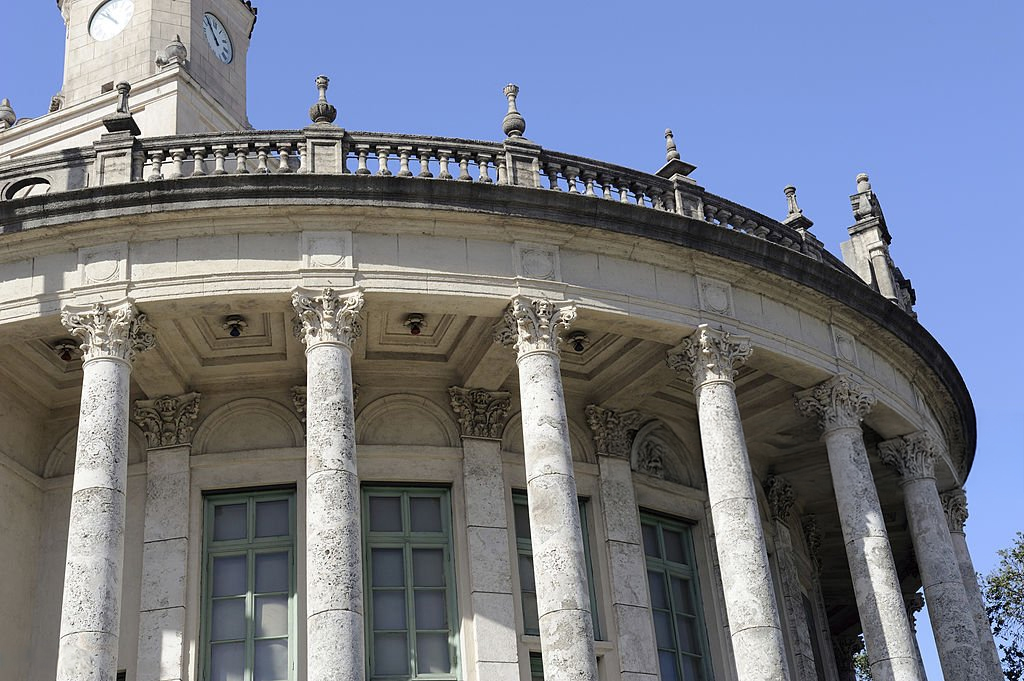
- That same day, the majority voted 4–1 to redirect more than $7 million earmarked for Phillips Park toward City Hall renovations, a shift Castro opposed on fiscal and transparency grounds.
- And across multiple readings, the commission approved ordinances amending the city’s rules for spending reserves—requiring a four-fifths vote to use emergency funds outside of crisis situations. Fernandez dissented on first reading; Castro, absent then, joined him on second.
These issues reveal philosophical divides—over growth, transparency, and the boundaries of fiscal restraint.
What the numbers show—and what they don’t
The numerical analysis reveals a commission functioning with clear internal roles and predictable alignments. But the data alone do not capture the tone of the debates or the political pressures at play.
Lago, Anderson, and Lara have projected unity and control—advancing the mayor’s agenda with speed, consistency, and confidence. Their majority has proven efficient. Castro and Fernandez, consistently outvoted, have used their time in the minority to press procedural questions, challenge assumptions, and draw attention to issues they believe merit public scrutiny. While they haven’t altered the course of policy, their dissent has injected tension into key debates—and occasionally slowed the march to consensus.
This mirrors the prior commission’s dynamics, only in reverse. Where Castro, Fernandez, and Menendez once set the agenda, Castro and Fernandez now respond to one.
As Coral Gables heads into budget season and future land-use decisions, the current configuration offers both continuity and contrast: a stable majority with firm control, and a loyal opposition intent on keeping the process honest—even when they know the outcome in advance.

Author: Coral Gables Gazette News Staff
Originally established in 1996 and relaunched as a digital publication in February 2025, the Coral Gables Gazette is an independent local news organization dedicated to factual, objective and accountable community journalism. Our newsroom reports on the people, policies, institutions and events shaping Coral Gables, Florida, providing residents with timely, informative coverage of the issues affecting their community. Our reporting includes City Hall, local government, municipal elections, public spending, real estate development, business, education, arts and culture, and neighborhood affairs throughout the City Beautiful. We follow City Commission decisions, examine public records and report on the businesses, organizations and individuals contributing to Coral Gables. We believe informed residents are essential to a healthy, engaged community. Stories published under the Coral Gables Gazette News Staff byline are prepared or compiled by the publication's editorial team. We strive for accuracy, fairness, transparency and clear distinctions between news reporting, opinion and advertising. Readers are encouraged to submit news tips, corrections, editorial inquiries and story suggestions through our Contact page and learn more about our standards through our Editorial Policy.










“Projecting unity” is not a bad thing, but rubber-stamping is a totally different matter.
No surprises here, those voters who were paying attention knew that Lago, Anderson, and Lara would be voting together, no matter what.